Diesel Auto SEO Store
We rebuilt and optimized an auto parts store for organic growth, cleaner catalog logic, and better indexation across high-intent search clusters.
Built for long-term SEO growth: clean structure, crawl-efficient pages, and stable performance under real catalog load.
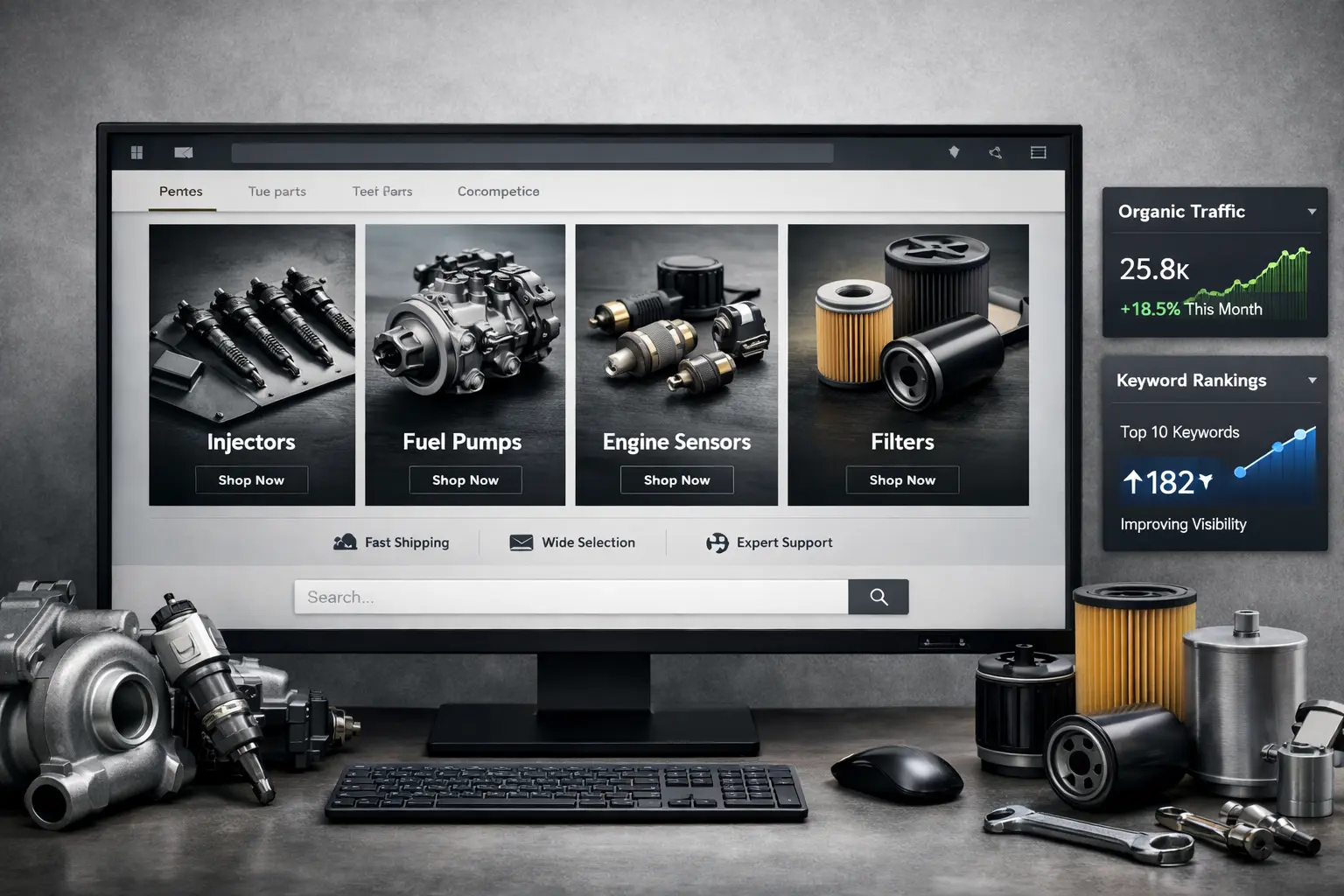
Category and subcategory pages brought to a consistent indexable baseline.
Fewer clicks to reach priority product groups from major category hubs.
Measured improvement on key catalog routes after optimization cycle.
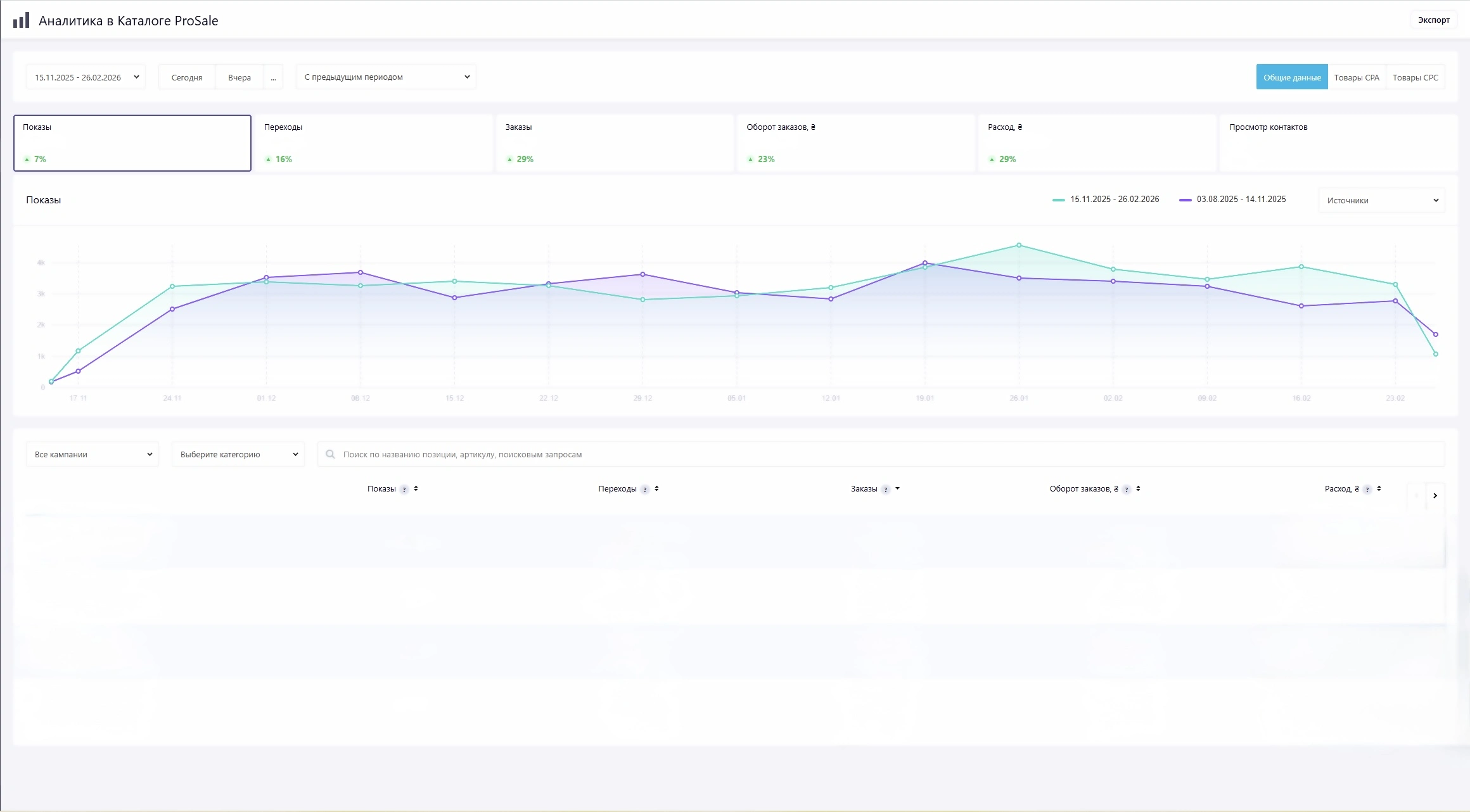
After rollout, the post-implementation line stays above the pre-implementation baseline.
Project overview
Diesel Auto needed more than a visual refresh. The store had to scale SEO for a wide catalog of engine and fuel-system parts, with stable category landing pages and predictable indexing.
We focused on practical outcomes: stronger visibility for transactional queries, cleaner user paths from category to product, and a measurable before-versus-after search trend.
Key challenges
What we implemented
We combined technical SEO architecture with a measurable delivery framework.
SEO-oriented catalog architecture
Reworked category and subcategory logic, canonical rules, and crawl paths to prioritize indexable URLs aligned with search intent.
Template metadata system
Introduced scalable metadata templates for product and category pages, with manual overrides for priority landing pages.
Internal linking and relevance layer
Connected category clusters, priority products, and support blocks to improve crawl depth and topical relevance.
SEO analytics baseline
Set up a clean benchmark model so the team can compare performance before implementation and after rollout with consistent periods.
Observed outcomes
Category and subcategory pages brought to a consistent indexable baseline.
Fewer clicks to reach priority product groups from major category hubs.
Measured improvement on key catalog routes after optimization cycle.
After rollout, the post-implementation line stays above the pre-implementation baseline.
SEO visibility chart
Purple line shows SEO visibility before our work. Turquoise line shows SEO visibility after implementation.
Have a similar task?
We can help you design and build a solution that clearly explains your value proposition and drives qualified conversions.
Related cases
All cases
Crypto Website Platform
Case study: design and development of a crypto platform website where a bot works with Binance and automatically creates and processes order flows.
Read the case
AliExpress Deals Crawler Bot
AliExpress Deals Crawler is a headless automation bot that simulates a real user session on AliExpress, logs in, and extracts super deals, discounts and key product metrics from campaign and search pages for affiliates, curators and deal channels.
Read the case