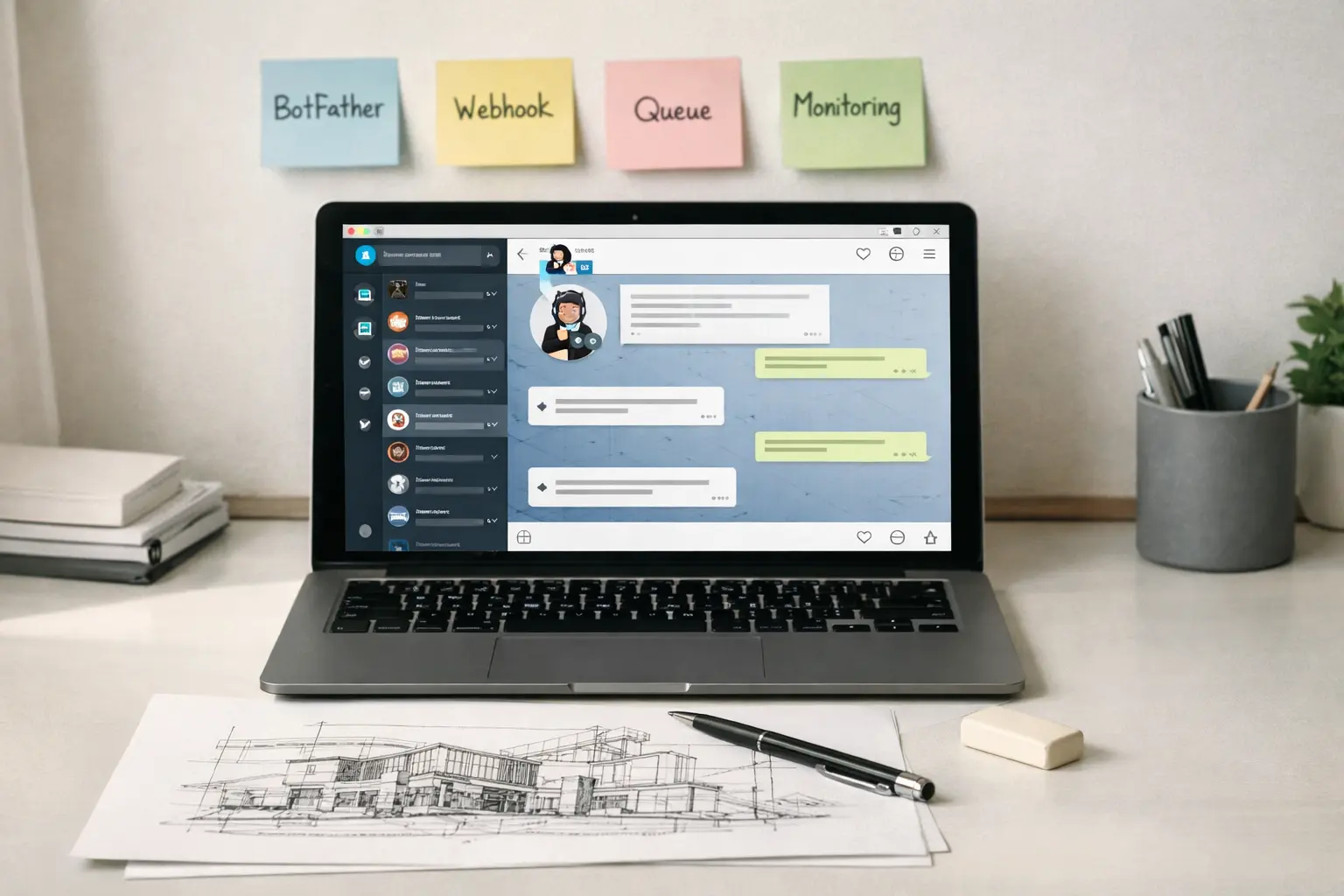
How easy is it to build a Telegram bot in 2026: a practical answer without hype
A practical 2026 breakdown of what is truly easy in Telegram bot development, where complexity starts, which limits matter, how long MVP takes, and when custom engineering is the right move.
Short answer: yes, getting started is easy. Product-grade quality is harder.
As of February 24, 2026, Telegram bot entry barrier is low, but production quality still needs solid engineering.
Why starting in 2026 is genuinely easier
There are four practical reasons why the first working bot can be delivered quickly by a small team.
5-15 min
Creating a bot in @BotFather, getting a token, and sending the first getMe request is fast for any dev with basic backend skills. [2]
Many SDKs
Telegram keeps a broad library catalog for TypeScript, Python, Go, Java, .NET, and others, so teams rarely start from zero. [8]
about 1 day
For support FAQ, lead capture, content utility, or lightweight CRM integration, teams can often ship first MVP in a day.
Practical timeline from idea to reliable MVP
This is a realistic rollout pattern we see in both internal and client projects.
So the answer to how easy is it depends on your goal. Building a bot and building a reliable product are very different tasks.
Stage 1. First prototype (0.5 day)
Stage 2. Team beta (1-2 days)
Three areas where most bots fail in real operations
This is usually where a project moves from hobby script to production system.
Limits and throughput: in groups, there is a 20 messages-per-minute cap, and bulk messaging has baseline free limits around 30/sec. Paid broadcasts can scale up to 1000/sec with Stars. [6]
Update reliability: Telegram clearly states long polling and webhook cannot be used together. Offset/update_id handling must be done carefully to avoid duplicates and misses. [5]
Webhook security: use secret_token, source validation, token rotation, least privilege, and separate staging/production environments. [4]
setWebhook includes secret_token and explicit delivery behavior requirements. This is the security baseline for inbound updates. [4]
Official limits and paid broadcast options should be considered at architecture stage, not after launch. [6]
Section where-it-gets-hard screenshotChoosing architecture in 2026: standard Bot API vs local Bot API server
For most teams, standard Bot API hosted by Telegram is enough and gives the fastest time to market. [7]
A local Bot API server makes sense when you have specific infra requirements: larger files, local IP/port webhooks, controlled network perimeter, or higher webhook connection ceilings. [7][9]
In practice, the best path is usually phased: start with standard Bot API, validate demand, then move to local server only when metrics show clear operational benefit.
When to build yourself and when to involve an engineering team
Simple rule: if downtime risk is expensive, under-engineering becomes more expensive later.
Build it yourself
When the bot is internal, workflows are simple, business criticality is low, and there are no complex payment or compliance needs.
Use custom engineering
When the bot affects revenue, support SLA, or brand trust. You need architecture, monitoring, security hardening, and a clear scaling roadmap.
Hybrid model
Team ships MVP internally, then PAS7 Studio handles audit, hardening, refactor, and production scaling.
FAQ
Yes, for a focused MVP with simple flow it is realistic. This is usually enough for first validation in a real team environment.
Reliability and operations: limits, retry behavior, deduplication, monitoring, secure webhook handling, and release discipline.
Long polling is convenient for local development. For production, webhook is usually the right default for efficiency and scale.
When there are concrete infrastructure constraints such as bigger files, local network routing needs, or advanced connection scale requirements.
Yes. Telegram supports Mini Apps, Business-related capabilities, and payment flows, so bots can be a serious delivery channel.
Start with compact MVP scope and one measurable success metric. Scale architecture only after real demand signals are proven.
Sources
Primary sources only, verified against Telegram official docs and repositories as of February 24, 2026.
Want a realistic estimate of how easy your Telegram bot will be
In one focused session, we can map your real path: what can launch in 1-2 days, and what must be designed as production from day one. You get a clear action plan with MVP scope, technical risks, timeline range, and budget direction based on engineering reality.
Related Articles
How to Add Mau Saver to a Telegram Group and Save Media in Chat
A practical guide to adding Mau Saver to a Telegram group and downloading videos, audio, and posts directly in the chat.

How to Advertise to an International Telegram Media Audience
A practical guide for advertisers: reach an international Telegram audience through Mau Saver Bot, group placements, pinned posts, and native media integrations.
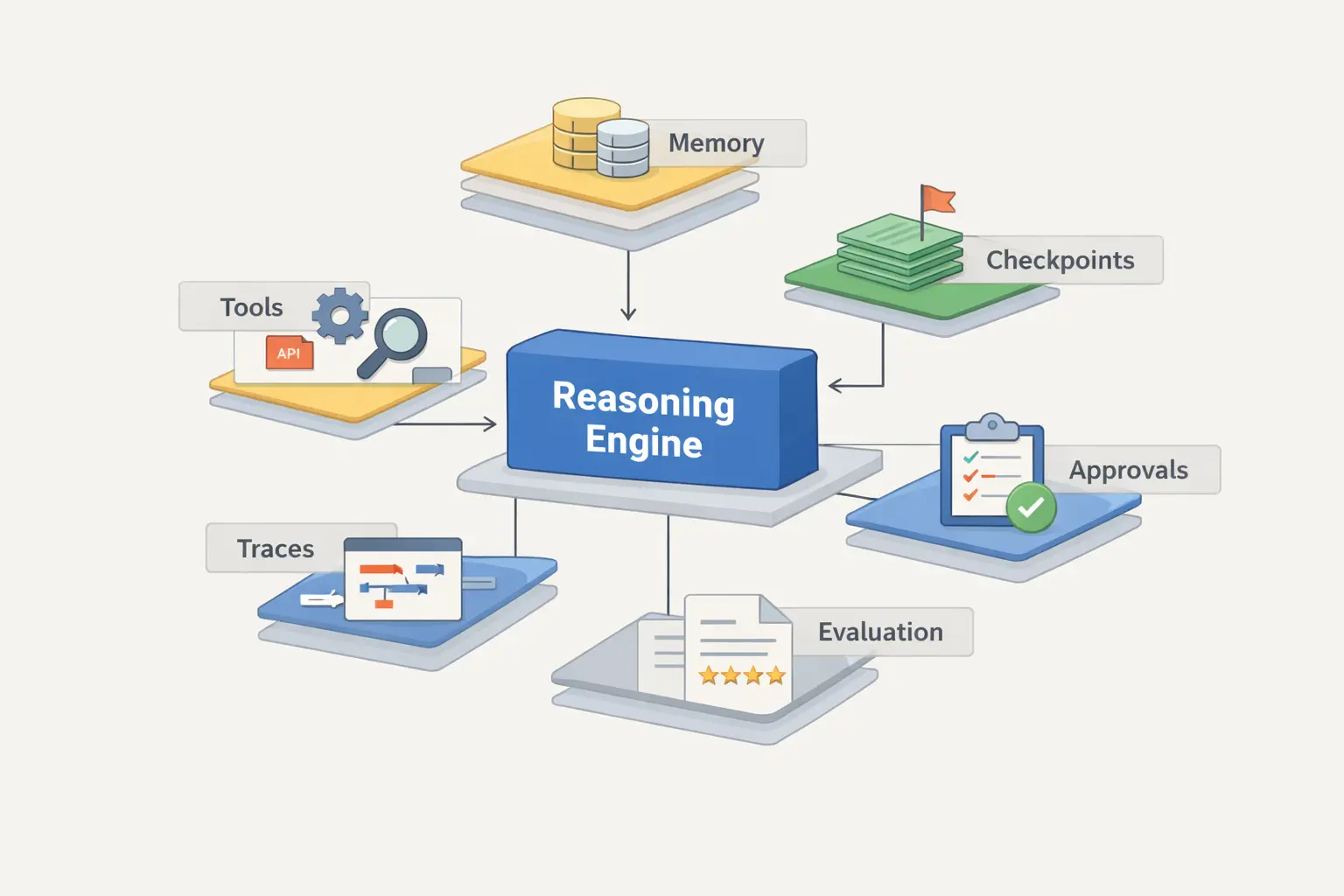
AI Assistant Development Cost in 2026: RAG Chatbots, CRM Integrations, Guardrails, and Support
A practical buyer guide to AI assistant development cost in 2026: prototypes, RAG chatbots, knowledge-base assistants, CRM and website integrations, guardrails, evaluations, monitoring, and support.

AI Can Make More. Not Better: What Game Development Research Actually Says
Generative AI is entering game production, but the evidence is more nuanced than the hype. We examine developer adoption, player reception, quality risks, and a practical production model for using AI without outsourcing taste.